Upcycling - a virtuous circle for recycling your copper scrap
In the context of energy and digital transition, copper is an essential metal. Indeed, environmental policies (CSR) and, in particular, European legislation (Critical Raw Materials Act) require that, by 2030, at least 25% of the EU's annual consumption of strategic raw materials must come from recycled materials.
Numerous sectors will be in demand, such as power transmission and transportation. For example, a combustion engine car requires 23 kg of copper, whereas an electric car requires almost four times as much (83 kg on average).
To date, there are two ways of meeting this demand. On the one hand, mining is energy-intensive, environmentally problematic and requires enormous investment capital. On the other hand, recycling, which is by its very nature not very common in Europe, where the number and quality of mines are low.
The Gindre Group and its sister company Montanwerke Brixlegg have been following this recycling path for decades with their vertical integration. This means they can already meet certain environmental criteria, such as carbon footprint and recyclability.
The project
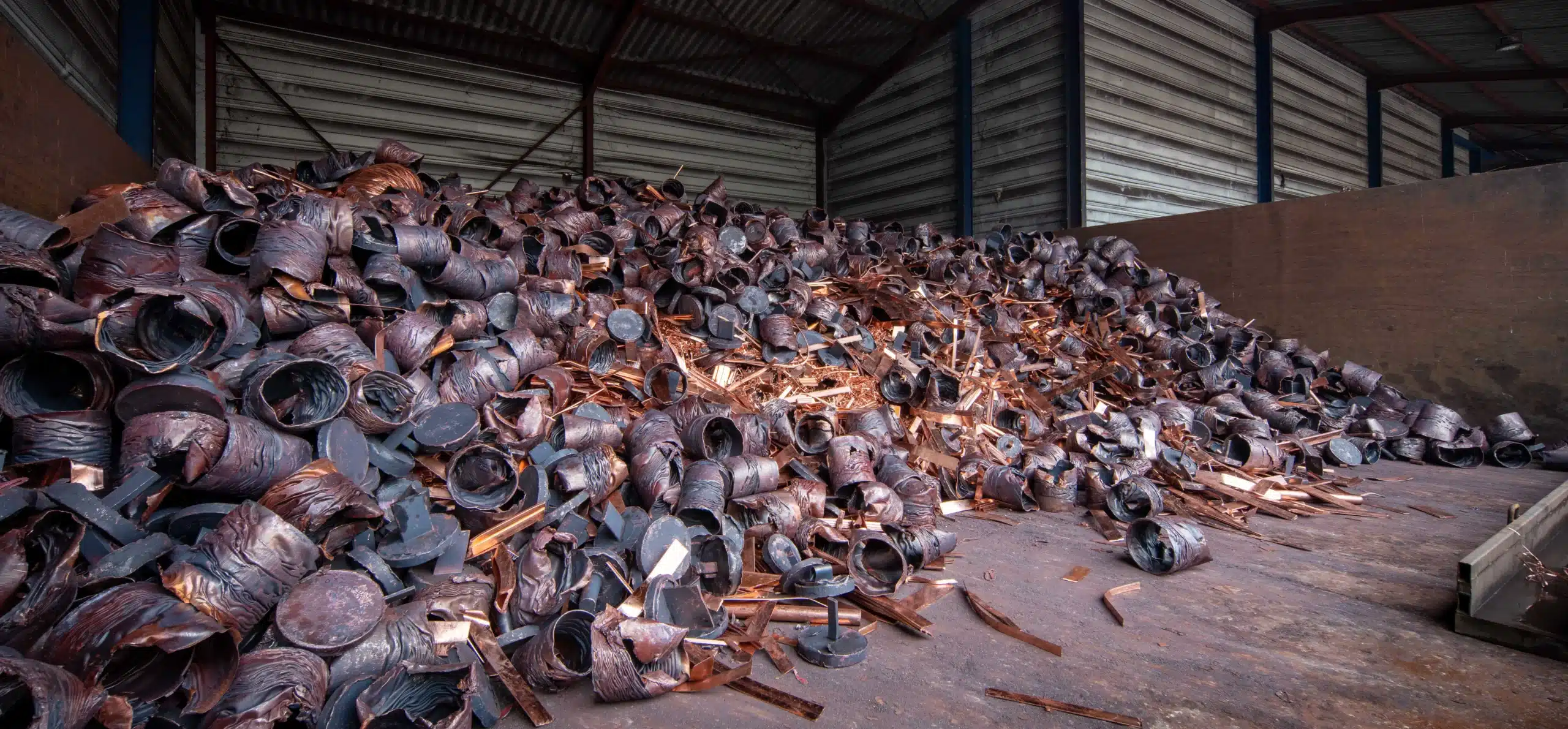
Taking advantage of vertical integration, from waste to finished copper product, Gindre has built up its smelting skills over the last 10 years to recycle its own waste in-house. What's more, as a result of the ever-increasing financing of copper and the search for new direct circuits with producers, the market is interested in returning its waste.
The solution
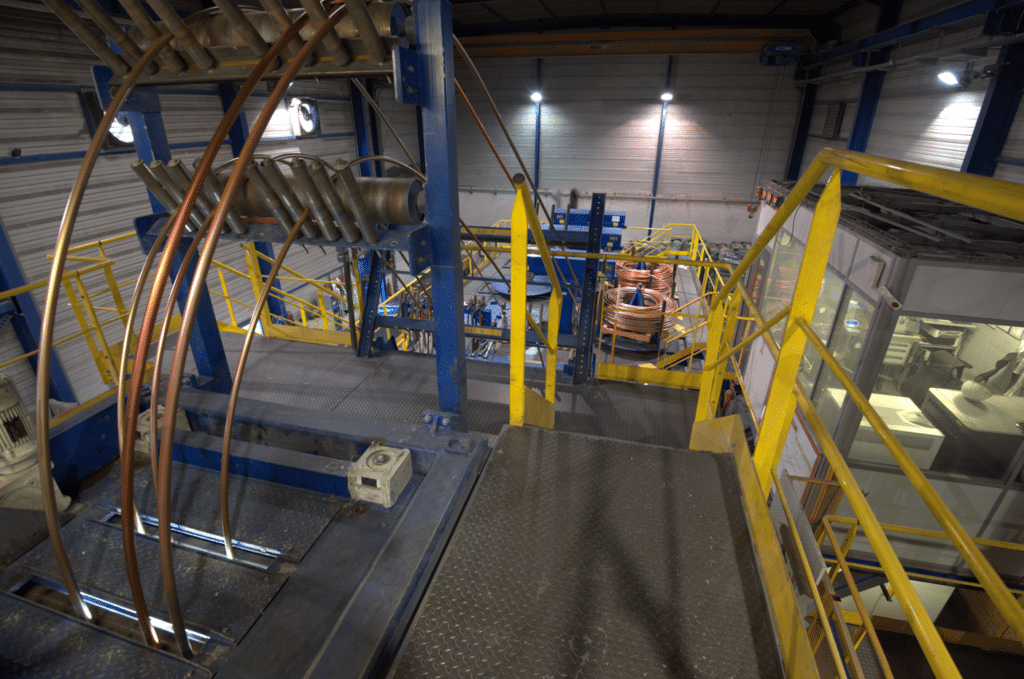
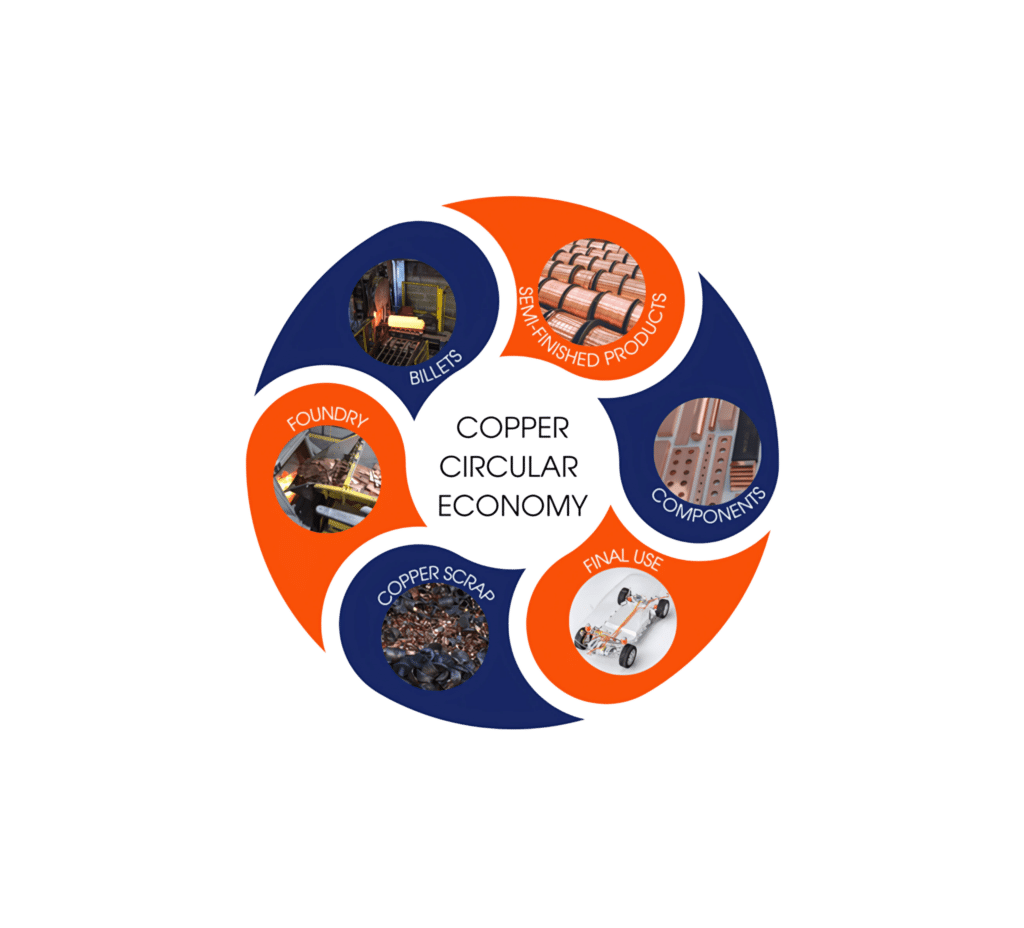
Gindre has set up an Upcast-type foundry that can generate a wire blank for extrusion and drawing in various dimensions. In addition, the types and nature of waste are assessed to prevent any contamination of the melt. The waste container is, of course, adapted to ensure adequate logistics. These actions are part of a circular economy in which waste is then used to regenerate semi-finished products or components of similar quality (grade A). Beyond the significant financial benefits and environmental considerations, this strategy is fully aligned with the need to secure raw materials.