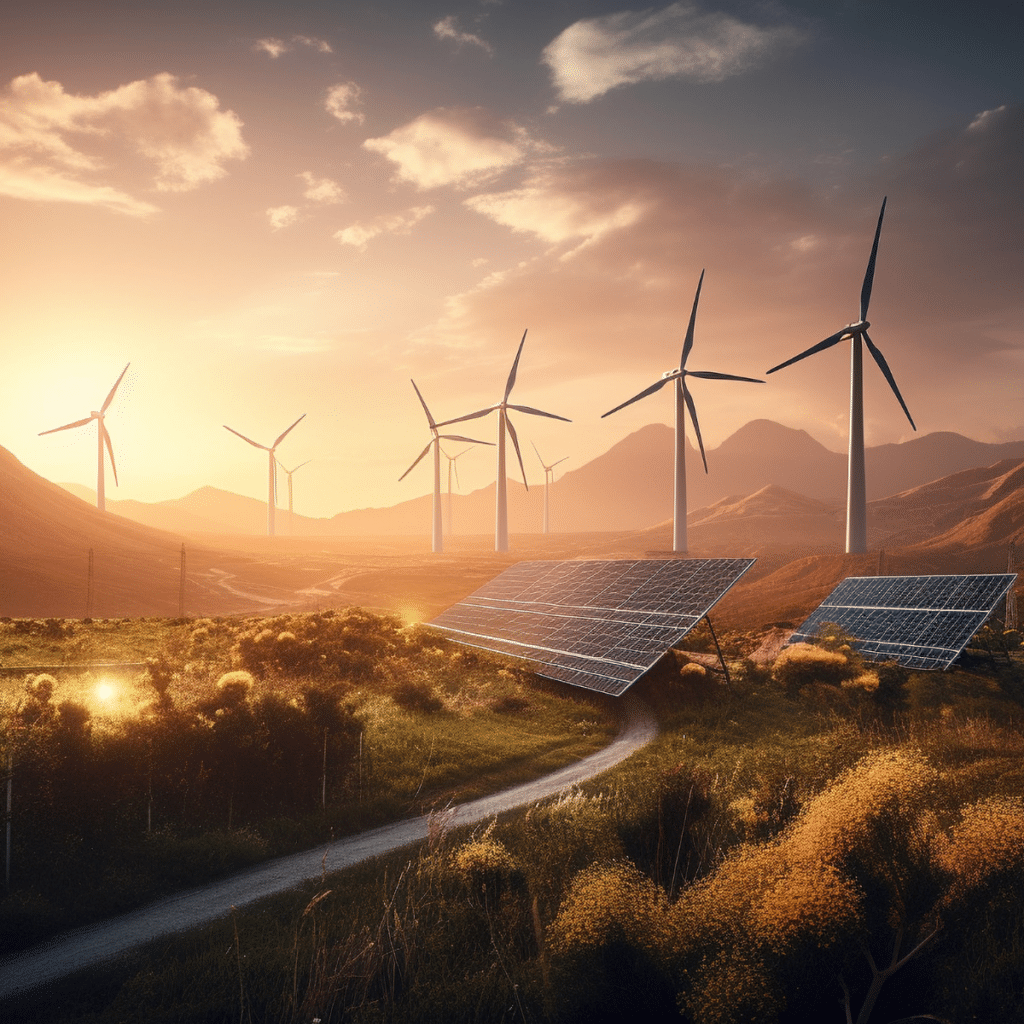
The energy transition relies on a profound transformation of energy production and distribution systems. According to several international scenarios, global demand for copper could increase by 30 to 50% by 2040, driven by the electrification of uses and the development of renewable energies.
In this context, copper is an essential metal for supporting the electrification of applications and the development of large-scale electrical networks. Thanks to its exceptional electrical conductivity, it enables electricity to be transported with minimal losses and improves the energy efficiency of infrastructure.
Used in renewable energies such as wind and solar power, low-carbon technologies, storage systems, and electric mobility, copper plays a central role in the decarbonization of the economy. Its use helps reduce greenhouse gas emissions by optimizing the performance of energy facilities.
Faced with rapidly growing global demand and strategic supply challenges, copper is now considered a key resource for successfully transitioning to renewable energy and building a more sustainable energy model.
What role does copper play in the energy transition?
An essential metal for modern energy systems
Copper is an essential metal for the functioning of modern energy systems. It is widely used in electrical networks, renewable energy production equipment, and industrial infrastructure. Its presence is indispensable for ensuring the reliable transmission of electricity, both on a large scale and in everyday use.
In the context of the energy transition, the development of renewable energies, electrification of uses, and low-carbon technologies relies heavily on this metal. Without copper, it would be impossible to effectively deploy these new energy systems.
Electrical conductivity at the heart of energy performance
Copper's high electrical conductivity helps limit energy losses during the transmission and distribution of electricity. This performance contributes directly to the energy efficiency of networks and equipment.
Thanks to its electrical conductivity, copper reduces energy losses by 5 to 10% in electrical networks, indirectly contributing to a significant reduction in greenhouse gas emissions.
Thanks to its low electrical resistance, copper improves the reliability of installations, reduces maintenance requirements, and extends the service life of infrastructure. These properties explain why it remains the benchmark material for supporting the global energy transition.
How does copper contribute to decarbonization?
Reduction of energy losses
Copper contributes directly to decarbonization by reducing energy losses in electrical systems. Thanks to its very high electrical conductivity, it allows electricity to be transported more efficiently, thereby limiting losses in the form of heat. This energy efficiency reduces the amount of energy required to produce the same service, and therefore the associated greenhouse gas emissions.
In modern electrical networks, the use of copper improves the overall performance of infrastructure and helps reduce the carbon footprint of the energy sector.
Contribution to low-carbon technologies and renewable energies
Copper is a key component in low-carbon technologies. It is found in wind turbines, solar panels, energy storage systems, and equipment used to produce renewable energy. Its use optimizes the efficiency of these technologies and accelerates their deployment.
By supporting the development of renewable energies and clean energy solutions, copper plays a central role in decarbonizing the economy and transitioning to a more sustainable energy model.
How does copper impact electrification?
Development of electrical networks
The electrification of applications relies on electrical networks capable of transporting and distributing electricity reliably and continuously. Copper is a central component of this infrastructure, particularly in cables, transformers, and connection equipment. Its conductivity helps secure electrical flows and supports network expansion, both in urban areas and for large-scale projects.
With the increase in electricity demand linked to the energy transition, copper is playing an even more strategic role in strengthening and modernizing existing networks.
Electric mobility and charging infrastructure
The development of electric mobility relies heavily on copper. Electric vehicles, their motors, batteries, and especially charging infrastructure require significant amounts of copper to ensure performance, safety, and durability.
An electric vehicle contains an average of 80 to 90 kg of copper, which is up to four times more than a combustion engine vehicle, particularly in the motor, battery, and charging infrastructure.
By facilitating the electrification of transportation, copper contributes to reducing greenhouse gas emissions and supports the transition to cleaner modes of travel.
Why is copper considered strategic?
Strong growth in global demand
Today, more than 50% of global copper production is concentrated in a limited number of countries, while opening a new mine can take 10 to 15 years, reinforcing the strategic nature of this metal.
Copper is now considered a strategic metal due to rapidly growing global demand. The energy transition, electrification of uses, and development of renewable energies and electrical infrastructure require ever-increasing volumes of copper.
This increase in demand affects electrical networks as well as industrial sectors, electric mobility, and low-carbon technologies. In this context, copper is establishing itself as an essential resource for supporting global energy transitions.
A critical resource for the global economy
Copper is classified as a critical resource by many international institutions. Its availability is essential for the development of key economic sectors, including energy, industry, and infrastructure.
Supply tensions, the geographical concentration of resources, and environmental constraints related to extraction reinforce its strategic importance. For industrial players, securing access to copper and optimizing its use is becoming a major long-term challenge.
What are the challenges involved in copper mining and supply?
Environmental impact and mining challenges
Copper mining poses several environmental challenges. Mining activities require significant amounts of energy and water, and can have an impact on local ecosystems. As the most accessible deposits are depleted, mining becomes more complex and costly, reinforcing the challenges associated with sustainable development.
In the context of the energy transition, these constraints highlight the importance of optimizing the use of copper and limiting the environmental footprint associated with its production.
Risks related to supply and global dependence
Global copper production is concentrated in a limited number of countries, exposing supply chains to geopolitical, economic, and logistical risks. Rapidly growing global demand is exacerbating these tensions and may lead to price fluctuations or supply difficulties.
For industrial players, these challenges call for a more strategic approach to copper, incorporating secure sourcing, efficient use, and the development of more sustainable solutions.
Are there alternatives to copper?
Substitute technologies and current limitations
Certain technologies can, in specific cases, partially replace copper. Aluminum is sometimes used in electrical networks, while fiber optics replace copper for data transmission. Other materials are also being studied to reduce copper consumption in certain applications.
However, these alternatives often have limitations in terms of electrical conductivity, durability, mechanical strength, or long-term reliability. They also require significant technical adaptations.
Why is copper still difficult to replace?
Thanks to its exceptional electrical conductivity, corrosion resistance, durability, and recyclability, copper remains the material of choice for many energy and industrial applications today. It offers a unique balance of performance, safety, and longevity.
In the context of the energy transition, these qualities make copper a metal that is difficult to replace, particularly for critical infrastructure and high-performance electrical systems.
What does the future hold for copper in the energy transition?
Recycling and the circular economy
Faced with rising global demand and the limitations of mining, copper recycling is playing an increasingly important role. Infinitely recyclable without any loss of performance, copper is fully in line with the circular economy approach. Recycling copper reduces the environmental footprint, limits energy consumption, and secures part of the supply.
Copper recycling consumes up to 85% less energy than mining and already accounts for around a third of global production, making the circular economy a major driver of the energy transition.
In the context of the energy transition, optimizing material flows and recovering recycled copper are becoming essential levers for reconciling industrial performance and environmental responsibility.
Copper, a key metal for 2050
By 2050, the energy transition, the electrification of uses, and the development of low-carbon technologies will continue to increase the role of copper. Electrical grids, renewable energies, electric mobility, and industrial infrastructure will depend heavily on this essential metal.
In this context, industrial players such as Gindre, which specializes in copper processing, play a key role in supporting these developments. Through their expertise, process mastery, and commitment to sustainable solutions, they are helping to meet long-term energy and industrial challenges.
