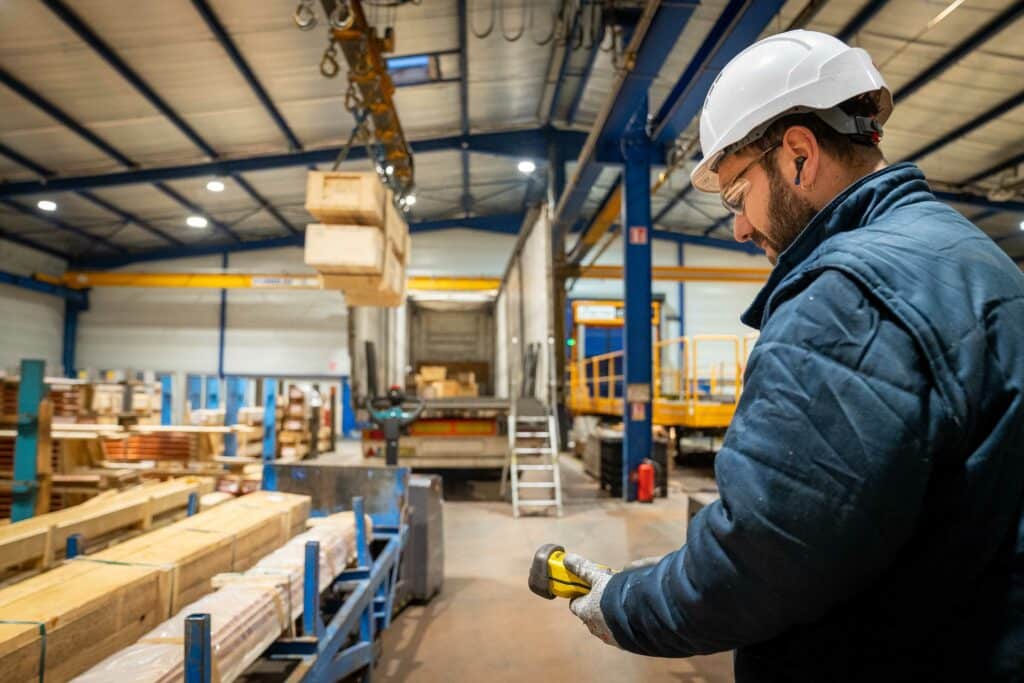
In the industrial sector, safety is a major issue for any company wishing to ensure the sustainability of its business. At every industrial site, occupational risk prevention is inseparable from industrial performance, product quality, and employee protection.
At Gindre, a French company specializing in copper processing, industrial prevention is integrated into the heart of production processes, working methods, and the management system. This comprehensive approach makes it possible to reconcile operational efficiency, regulatory compliance, and responsible commitment.
In an industrial sector subject to significant technical and regulatory constraints, implementing a structured prevention strategy is essential to ensuring a safe and efficient working environment.
This article presents the approach implemented by Gindre to improve safety at its industrial sites and enhance the company's overall performance.
Industrial safety: a strategic pillar for the company
A comprehensive approach to safety in industry
In industry, safety is not limited to regulatory requirements. It is part of an overall strategy aimed at reducing every risk associated with production, maintenance, or technical work activities.
At Gindre, industrial prevention is based on a structured organization that is integrated into all industrial processes. This approach makes it possible to anticipate risky situations and implement measures tailored to each site and each activity.
Safety, health, and working conditions on site
The health and working conditions of employees are a priority. At each industrial site, assessing exposure to occupational risks helps prevent accidents and ensure a safe working environment.
This constant vigilance helps protect teams, limit incidents, and improve industrial performance in the long term.
Assessing and preventing risks at industrial sites
Risk assessment and management of risky situations
Risk assessment is an essential step in safety management. It helps identify potential problems related to equipment, production tools, maintenance operations, or technical constraints.
At Gindre, this risk management is based on a precise analysis of work situations, feedback from the field, and monitoring indicators. The goal is to prevent every risk before it causes an accident or impacts production.
Prevention plan and measures implemented
Based on this assessment, a prevention plan is defined. Concrete measures are put in place to minimize exposure to risks and enhance operator protection.
These measures include adapting equipment, improving processes, securing work sites, and bringing facilities into compliance. This approach reduces the incident rate and improves the overall effectiveness of the protection system.
Standards, compliance, and safety management system
Compliance with safety standards and regulatory requirements
All industrial companies must comply with current safety standards and the regulatory framework applicable in France. Compliance with the requirements of the Labor Code and regulations specific to the industrial sector is an essential condition for ensuring a safe environment.
At Gindre, regular checks are carried out to ensure that facilities, equipment, and procedures comply with regulations.
A management system integrated into the organization
Safety is based on a structured management system. Indicators are monitored over time to measure performance, analyze accident rates, and drive continuous improvement.
This management system allows safety to be integrated into the company's overall strategy, alongside quality, production, and customer service.
The safety management system is based on specific indicators that track accident rates, identified risk situations, and the effectiveness of the measures put in place. This structured management approach relies on digital tools, field data, and regular monitoring of corrective actions to continuously improve working conditions and industrial performance at the site.
Tools, equipment, and operational safety
Protective equipment and secure production tools
Personal protective equipment is essential for ensuring the safety of teams. Each operator has equipment that is suited to their position and the technical constraints of the site.
Production tools and industrial networks are also secured in order to limit risks related to the handling of raw materials, transformation processes, and maintenance operations.
Securing industrial networks, production equipment, and technical facilities is also a major lever. Rigorous preventive maintenance, combined with regular inspections, helps limit the risks associated with equipment failure and ensures business continuity at every industrial site in France.
Technical processes and work safety
Work safety is based on specific methods and rigorous organization. Technical procedures are defined for each specific activity in order to guarantee a high level of protection.
Equipment maintenance is closely monitored to prevent any failures that could lead to accidents or production interruptions.
Safety and industrial performance: a driver of excellence
Safety and operational efficiency
Safety and industrial performance are closely linked. A safe working environment reduces unplanned downtime, improves the reliability of facilities, and ensures the quality of products delivered to customers.
At Gindre, the safety approach contributes directly to operational excellence and the efficiency of industrial processes.
Indicators, monitoring, and continuous improvement
Monitoring specific indicators makes it possible to measure progress and identify areas for improvement. The data collected is analyzed in order to adjust methods and strengthen risk prevention.
This lean and structured approach promotes continuous improvement of the safety system and overall performance.
Training, safety culture, and employee engagement
Safety training and awareness for teams
Safety training is a cornerstone of the approach. Every employee receives regular training on best practices, procedures, and issues related to industrial safety.
This ongoing training helps improve safety culture and makes each employee more aware of occupational risks.
Collective responsibility and long-term commitment
Safety is a collective responsibility. Team commitment, sharing feedback, and reporting information from the field all contribute to the reliability of the system.
At Gindre, this culture of safety strengthens cohesion, improves working conditions, and supports sustainable performance.
Gindre's commitment to responsible industry
A sustainable approach to serving customers
Industrial safety contributes directly to product quality and the reliability of services offered to customers. A secure organization ensures that deadlines are met and production complies with industry requirements.
Safety, performance, and environmental responsibility
By integrating safety into its overall strategy, Gindre affirms its commitment to responsible industry that respects environmental and human issues.
Process security, risk reduction, and continuous improvement are the foundations of sustainable industrial performance.
